Choosing the right food is one of the most important responsibilities of every pet owner. A nutritious and appropriate diet supports healthy growth, energy, digestion, body condition, skin, coat, and overall well-being. However, with so many brands, formulas, flavours, and food types available, deciding what is suitable for your pet can sometimes feel overwhelming.
The best food for pets is not necessarily the most expensive product or the one with the most attractive packaging. The right choice depends on your pet’s species, age, size, activity level, nutritional requirements, preferences, and any specific dietary needs. Food labels should also be checked carefully to understand whether a product is complete and balanced for the intended animal and life stage.
For pet owners in Islamabad and Rawalpindi, choosing a reliable source can make the process easier. Twincities Pet Store provides pet food and nutrition products for local pet owners, including food options for cats and dogs.
Why Choosing the Right Pet Food Matters
Food provides much more than calories. A properly formulated diet supplies essential nutrients that help pets maintain normal body functions, healthy muscles, strong bones, good digestion, and an appropriate body weight.
Puppies and kittens, for example, have different nutritional requirements from adult pets. Senior animals may also have different dietary needs. Similarly, highly active dogs may require a different calorie intake compared with less active pets.
According to AAFCO guidance, the most important factors when selecting pet food include the animal’s species, life stage, and condition.
This means there is no single product that can automatically be considered the best food for pets. Instead, the best option is the one that appropriately matches your individual pet.
Understand Your Pet’s Species
The first step is to choose food specifically formulated for your pet.
Dogs and cats have different nutritional requirements, so dog food should not be used as a regular replacement for cat food, or vice versa. Cats, for example, require certain nutrients that are particularly important to feline nutrition.
When shopping, look carefully at the packaging to confirm whether the food is intended for dogs, cats, puppies, kittens, or another animal. The species should be clearly identified on the product label.
This simple step can help narrow down your choices and prevent confusion when several products have similar packaging.
Consider Your Pet’s Age and Life Stage
Age is another major factor when choosing food.
Puppies and Kittens
Young animals are growing rapidly and need diets designed to support development. Puppy and kitten foods are generally formulated around the nutritional requirements of growth.
Adult Pets
Adult dogs and cats typically need food formulated for maintenance. Their calorie and nutrient requirements may differ significantly from those of growing animals.
Senior Pets
Older pets may have changing energy requirements and may benefit from food formulated around their age, activity level, and individual condition.
Life-stage information on pet food packaging can help owners identify whether a particular formula is suitable. Complete and balanced diets are designed to provide the required nutrients in appropriate proportions for their intended life stage.
Check the Nutritional Adequacy Statement
One of the most useful parts of a pet food label is the nutritional adequacy statement. It can help you determine whether a product is intended to provide complete nutrition for your pet’s particular species and life stage.
Rather than focusing only on attractive marketing claims, check the label for information explaining what type of animal and life stage the food is formulated for.
AAFCO explains that “complete” means the food contains the required nutrients, while “balanced” means those nutrients are provided in appropriate ratios.
When comparing the best food for pets, this information can be more useful than simply choosing a product based on packaging or advertising.
Read the Ingredient List Carefully
Ingredients are another important part of choosing pet food. Pet food labels list ingredients in descending order by weight, meaning the ingredients appearing earlier generally contribute more weight to the product than those appearing later.
However, ingredients should be considered as part of the complete nutritional formulation rather than judged individually.
Look for a food that provides appropriate sources of protein, fats, carbohydrates, vitamins, minerals, and other nutrients required by your pet.
It is also important to remember that a long ingredient list does not automatically mean better quality. What matters most is whether the overall formulation meets your pet’s nutritional requirements.
Consider Your Pet’s Activity Level
Every pet has a different lifestyle.
A highly active dog that spends a lot of time running, exercising, or playing may have higher energy requirements than a dog that spends most of the day indoors. Similarly, an indoor cat may have different calorie needs from an exceptionally active cat.
Feeding the correct amount is just as important as selecting an appropriate formula. Feeding directions on pet food packaging provide guidance, but individual requirements can vary depending on body condition and activity.
Regularly observing your pet’s weight and body condition can help you determine whether the current feeding routine is appropriate.
Pay Attention to Breed and Size
Breed and size can also influence food selection, particularly for dogs.
Small-breed dogs may have different calorie requirements and feeding patterns from large-breed dogs. Growing puppies of different expected adult sizes may also require specially formulated diets.
For cats, breed can influence physical characteristics, but age, body condition, activity level, and individual nutritional needs remain important considerations.
When looking for the best food for pets, avoid choosing purely based on breed popularity. Instead, consider the specific nutritional needs of your individual animal.
Dry Food, Wet Food, or Both?
Pet owners commonly choose between dry food, wet food, or a combination of the two.
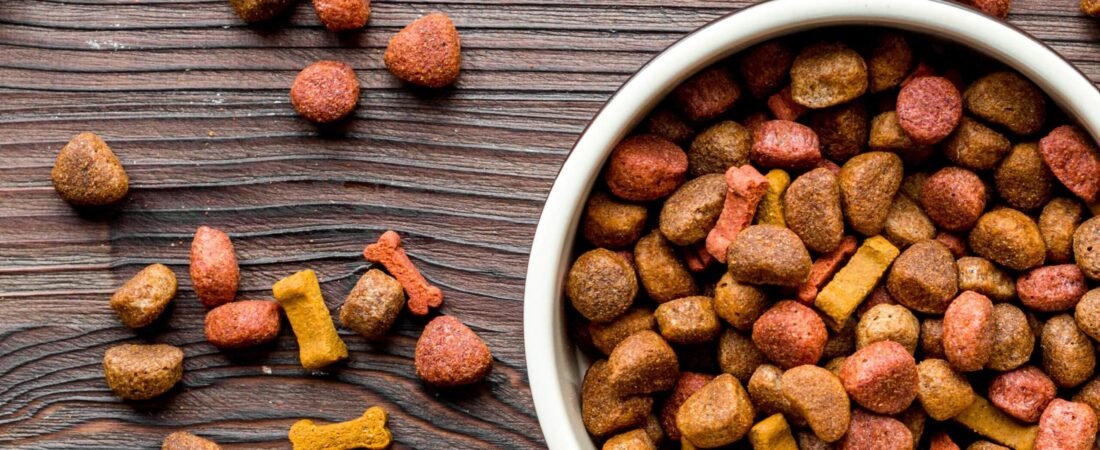
Dry food is convenient to store, measure, and serve. Wet food has a higher moisture content and can be appealing to many pets because of its texture and aroma.
The appropriate choice depends on your pet’s preferences, nutritional needs, feeding routine, and overall diet. Some owners use one type as the primary food, while others incorporate different formats into a planned feeding routine.
Regardless of the format, the key consideration is whether the food provides appropriate and complete nutrition for the intended pet and life stage.
Think About Your Pet’s Individual Preferences
Even a nutritionally appropriate food will not be useful if your pet consistently refuses to eat it.
Pets can have individual preferences regarding flavour, texture, smell, and food format. Some cats prefer wet food, while others strongly favour dry kibble. Dogs can also develop preferences for particular textures or flavours.
When changing food, introducing the new option gradually can help your pet adjust more comfortably to the change.
A suitable diet should balance nutritional quality with what your pet will actually eat consistently.
Consider Special Dietary Requirements
Some pets may have specific nutritional needs related to their age, body condition, allergies, sensitivities, or diagnosed medical conditions.
If your pet has an ongoing health issue or requires a therapeutic diet, it is important to seek guidance from a qualified veterinarian before making significant dietary changes. AAFCO also recommends veterinary advice when a pet is sick.
Do not assume that supplements or specialised products are automatically necessary. Healthy pets eating a complete and balanced diet may not need additional supplementation unless specifically advised.
Compare Feeding Instructions
Once you have shortlisted a few products, compare their feeding instructions.
Packaging may provide recommended amounts according to your pet’s body weight and life stage. These recommendations are useful starting points, but the appropriate amount can vary depending on activity, metabolism, age, and body condition.
Overfeeding can contribute to unwanted weight gain, while insufficient food may prevent a pet from receiving adequate nutrition.
For this reason, selecting the best food for pets should always be accompanied by an appropriate feeding routine.
Choose Food From a Reliable Pet Store
Where you purchase pet food also matters. A reliable pet store can make it easier to compare different food categories and find products suitable for your pet.
For owners searching for an online pet shop in Islamabad, Twincities Pet Store serves the Islamabad and Rawalpindi area and offers pet food, treats, accessories, and other pet products. Its store information states that online orders are available 24/7, with delivery services across Islamabad and Rawalpindi.
A dependable online pet shop in Islamabad can also make regular food purchasing more convenient, particularly for owners who prefer ordering pet essentials from home.
How Twincities Pet Store Can Help Pet Owners
Twincities Pet Store focuses on pet supplies and nutrition products for cats and dogs. Its available categories include cat food and treats, dogs and puppies, Persian kittens, pet accessories, and cages and habitats.
For pet owners comparing different food options, having access to multiple product categories can make it easier to select food according to species, age, lifestyle, and preferences.
Whether you are buying food for a growing puppy, an adult dog, a kitten, or an older cat, the selection process should begin with your pet’s nutritional needs rather than simply choosing the most popular product.
Avoid Choosing Food Based Only on Price
Price is naturally an important consideration for pet owners, especially when food needs to be purchased regularly. However, the cheapest product is not necessarily the most suitable, while the most expensive product is not automatically the best.
Instead, compare products based on:
- Species suitability
- Life-stage suitability
- Nutritional adequacy
- Ingredient information
- Feeding instructions
- Calorie content
- Your pet’s individual requirements
- Product quality and storage condition
This approach allows you to consider value rather than price alone.
Check Packaging and Product Condition
Always inspect pet food packaging before purchasing.
Avoid food in damaged, broken, or compromised packaging. AAFCO specifically advises consumers not to purchase salvage or broken-bag pet food because the original product integrity may no longer be assured.
Also check the product information, expiry or best-before details where applicable, and storage instructions.
Proper storage after opening is equally important. Keep food in a clean, dry location and follow the manufacturer’s recommendations to help preserve its quality.
Be Careful With Treats and Supplements
Treats can be useful for training, bonding, and occasional rewards, but they should not automatically replace a complete diet.
Some treats and supplements are intended only for intermittent or supplemental feeding and may not provide all the nutrients required as a primary diet.
If you already provide a complete and balanced food, adding numerous supplements without a specific reason may not be necessary.
The main diet should remain the foundation of your pet’s nutrition.
Make Food Changes Gradually
If you decide to change your pet’s food, avoid making a sudden switch whenever possible.
A gradual transition can help your pet become accustomed to the new flavour and formulation. It can also make it easier for you to observe how your pet responds to the change.
Monitor appetite, stool consistency, energy levels, and general condition during the transition. If your pet develops persistent digestive problems or other concerning symptoms, consult a veterinarian.
Create a Practical Feeding Routine
Choosing the best food for pets is only one part of responsible nutrition. A consistent feeding routine also matters.
Try to:
- Measure portions rather than estimating them.
- Follow the product’s feeding guidelines.
- Keep fresh drinking water available.
- Avoid excessive treats.
- Monitor your pet’s body condition.
- Store food correctly.
- Adjust feeding amounts when appropriate.
- Review dietary needs as your pet grows or ages.
A consistent routine can make it easier to maintain healthy eating habits.
Final Thoughts
Finding the best food for pets requires more than selecting a popular brand. The right choice should be based on your pet’s species, life stage, size, activity level, nutritional requirements, preferences, and individual condition.
Reading labels carefully, checking nutritional adequacy information, following feeding directions, and purchasing from a dependable source can make the decision much easier.
For pet owners looking for an online pet shop in Islamabad, Twincities Pet Store provides access to pet food and other essentials for customers across Islamabad and Rawalpindi.
Ultimately, the goal is simple: choose a nutritionally appropriate food that suits your pet’s individual needs and supports a healthy, active, and comfortable life.
